
Currently Empty: ₨0.00

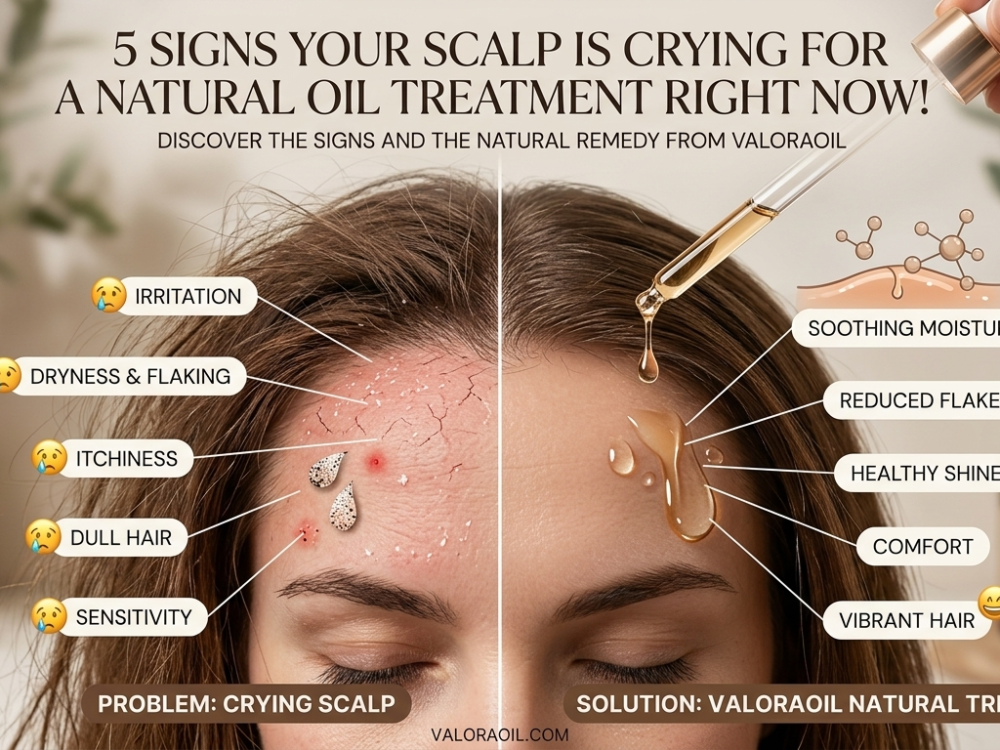
You’ve tried every fancy shampoo from the DHA pharmacy shelf. You’ve gone silicone-free, sulphate-free, paraben-free. And yet, the shedding continues. The scalp still itches. The hair still feels like a jhaaro by 3 PM. It’s not the shampoo. It’s what’s happening before the shampoo.
The Post-Wash Sticky Film That Won't Leave
You step out of the shower. Hair freshly washed. But within minutes, your scalp has that chip-chipa feeling, a film that shouldn’t be there. Most people blame their conditioner. They shouldn’t.
The real culprit is Karachi’s municipal water. With TDS readings routinely exceeding 1,000 ppm, our tap water is laden with dissolved calcium and magnesium ions. Hard water minerals carry a positive ionic charge that bonds aggressively with the naturally negative charge of your hair shaft, creating a mineral crust that no rinse can remove.
Why hard water minerals create a waterproof crust on your scalp
When mineral ions bond to hair protein, they displace the cuticle’s natural lipid layer. The result is a raised, uneven cuticle that traps residue and feels perpetually “unclean”, no matter how many times you wash. In fact, the more you wash, the more minerals you deposit, and the thicker the crust grows.
Trichology Note
A pre-wash application of cold-pressed botanical lipid, specifically one with low molecular weight linear fatty acid chains, creates a hydrophobic shield on the cuticle surface. Minerals physically cannot bond to an already-coated shaft. This is the science behind your dadi’s Sunday champi. She just didn’t have the lab report.
Mid-Shaft Snapping Instead of Root Shedding
Pull a few fallen strands from your shower drain. Look closely. Does the strand have a small white bulb at the end, the root, or does it snap clean mid-way through the shaft with no root at all?
If your strands are breaking at the mid-shaft, you are not experiencing genetic hair loss. You are experiencing mineral-induced protein degradation, a condition that shampoos, biotin supplements, and prayers cannot fix alone.
How to tell the difference between mineral damage and genetic hair loss
Genetic or hormonal shedding always begins at the root, you will see the bulb. Mid-shaft breakage is purely structural: the cortex has lost enough keratin protein from repeated mineral exposure that the strand cannot sustain its own weight under the mechanical stress of washing or combing.
Protein Math
Research in the Journal of Cosmetic Science shows that a single pre-wash lipid treatment reduces protein loss per wash cycle by creating a sacrificial barrier; the oil absorbs ionic damage rather than the cortex. Multiply that protection by 3–4 washes per week, and the difference in cortical integrity over 90 days is significant.
Chronic Dryness Masked by Heavy Silicones
Your hair feels smooth in the morning after conditioning. By Zuhr time, it’s dry, flyaway, and clinging to everything. This is the silicone mirage, and it is the most expensive trap in modern hair care.
Large-molecule silicones like dimethicone coat the outside of the shaft, creating the appearance of moisture without providing any. Worse, they act as a film over your scalp’s sebaceous glands, slowly suffocating the follicle’s natural oil production and making you increasingly dependent on the conditioner that caused the problem in the first place.
Meanwhile, cold-pressed plant lipids, particularly those from kalonji (black seed), have molecular weights small enough to penetrate the cortex rather than simply coat it. They replenish the internal lipid structure from within, not just paper over it.
The Flaky Scalp That Shampoos Make Worse
You see white flakes on your dupatta, but this isn’t dandruff in the clinical sense. It’s desiccated scalp skin. And if you’ve noticed that the flaking gets worse in the days after washing, your scalp is telling you something clear: its lipid barrier has collapsed.
The stratum corneum of a healthy scalp holds a moisture seal maintained by sebum and intercellular lipids. When alkaline hard water disrupts the scalp’s natural pH (4.5–5.5) with every wash, and harsh sulphates strip what little sebum remains, the barrier cannot recover between wash cycles. The result is chronic trans-epidermal water loss, the scalp sheds dead skin cells faster than it can replace healthy ones. Anti-dandruff shampoos treat the surface symptom. A botanical oil treatment repairs the barrier itself. These are not the same intervention.
Accelerated Frizz and the Monsoon Broom Effect
It is the first week of July. You’ve straightened your hair. You step outside onto Shahrah-e-Faisal, and within six minutes your hair has become a jhaaro, a broom of frizz that seems to actively absorb the humidity rather than resist it.
This is not a styling problem. It is a cuticle problem. A compromised cuticle, one with raised, uneven scales from mineral and protein damage, has gaps in its surface that act like tiny moisture-sponges. Atmospheric humidity rushes in, the cortex swells unevenly, and the strand bends and buckles.
A sealed cuticle, maintained by regular pre-wash lipid treatment, creates a smooth, flat surface. Humidity has nowhere to penetrate. The physics of the monsoon season cannot change, but the porosity of your hair can.
Environmental Context
Karachi’s July relative humidity averages 72–88%. Paired with boring ka khara pani that has already opened the cuticle through ionic bonding, the city becomes a perfect storm of frizz conditions. A sealed cuticle is not a luxury, in this climate, it is basic structural defence.
The Biological Truth, What Cold-Pressed Lipids Do Inside the Cortex
Modern trichology has spent decades confirming what South Asian households have practised for centuries. The champi, a ritual pre-wash scalp massage with heated botanical oil, is not merely a cultural comfort. It is a clinically sound lipid delivery system.
Avoid
Dimethicone Silicones
Large molecular weight. Cannot penetrate the cuticle. Creates a film that suffocates follicles and traps mineral buildup underneath.
Mineral Oil
Petroleum-derived. High molecular weight. Creates the same surface-only coating as silicone with none of the biological benefits.
Recommended
Linear Plant Lipids
Low molecular weight. Penetrates cortex. Replaces lost protein structure and seals the cuticle from within rather than coating it from without.
Cold-Pressed Kalonji Blend
Thymoquinone content supports follicle health. Linear fatty acid chains penetrate and integrate with the cortex’s natural lipid matrix.
Clinical trichology trials comparing rosemary extract follicle stimulation to standard topical chemical treatments have consistently found that the mechanism of action, increasing dermal papilla cell proliferation, is botanical in origin, not synthetic. Your nani’s kalonji oil was ahead of the research.
Reclaiming the Champi, Your 3-Step Pre-Wash Shield
Restore a ritual. Repair a barrier. In three steps, once a week.
Warm the Oil 30 Seconds in Warm Water
Place your bottle of cold-pressed botanical blend in a bowl of warm (not hot) water for 30 seconds. Warm oil has greater fluidity and penetrates the cuticle more efficiently than room-temperature oil. This is the part every dadi got right instinctively.
Section and Massage 10 Minutes on the Scalp
Work in four sections. Apply oil directly to the scalp with fingertips, not palms. Use circular pressure, not friction. You are stimulating dermal microcirculation, not creating heat. Move from the nape upward. Then work the oil through the mid-shaft with downward strokes to smooth the cuticle in the direction of its natural scale orientation.
Let It Sit Minimum 45 Minutes, Preferably Overnight
The lipid penetration process is time-dependent, not pressure-dependent. 45 minutes is the minimum for meaningful cortex absorption. Overnight treatment, wrap with an old cotton dupatta, never plastic, allows full integration. Your Sunday champi, done correctly, is a week of protection against Karachi’s water, weather, and pollution.
Stop Washing Unprotected
Every unshielded wash strips protein, deposits minerals, and raises your cuticle. Valora’s Cold-Pressed Botanical Blend gives your scalp the lipid armour it has been asking for.
Why does my hair feel sticky or chip chipa right after washing it?
The main culprit is Karachi municipal water, which has high mineral levels routinely exceeding 1,000 ppm. The positive charge of calcium and magnesium ions aggressively bonds to the naturally negative charge of your hair, forming a waterproof crust that traps residue and leaves your scalp feeling perpetually unclean. Applying a low-molecular-weight botanical oil before showering creates a protective shield that stops these minerals from binding to your hair strands.
How can I tell if my hair loss is genetic or caused by hard water?
You can easily tell the difference by looking closely at your fallen hair strands. If the strand has a small white bulb at the end, it is falling from the root, which indicates genetic or hormonal shedding. If the strand snaps cleanly in the middle with no root bulb, you are dealing with structural mid-shaft breakage caused by mineral mineral-induced protein degradation.
Why does my hair turn into a frizzy jhaaro the minute I step outside?
When your hair cuticle is damaged by hard water minerals, its protective scales lift and create gaps that act like tiny moisture sponges. In Karachi's intense monsoon climate, where relative humidity averages 72–88%, atmospheric moisture rushes into these gaps, causing the hair shaft to swell unevenly and buckle into frizz. A regular pre-wash lipid treatment seals these cuticle gaps so humidity cannot penetrate the strand.
Tags: Organic Hair oil